

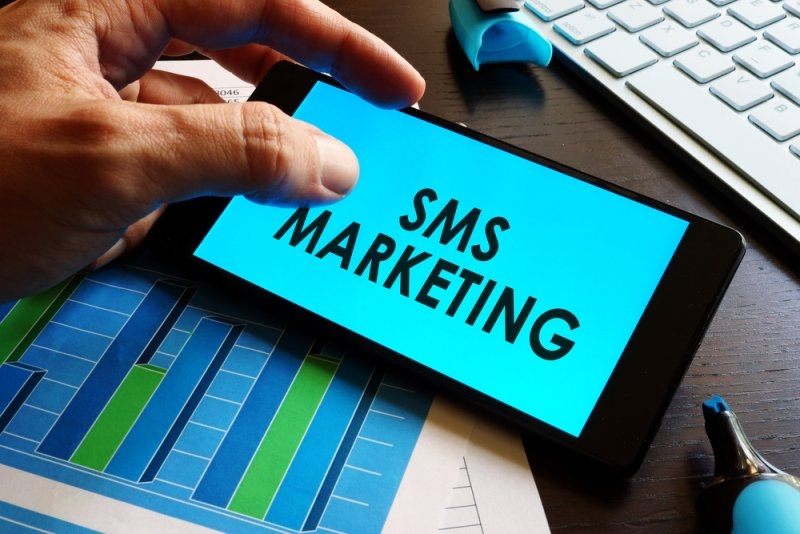
Think about the last text you got from a brand. Chances are you saw it within a few minutes, maybe even glanced at it while doing something else. That's the whole appeal of SMS marketing. People don't leave texts sitting unread the way they do with emails. For a small business trying to get noticed on a tight budget, that kind of attention is hard to pass up.
This guide walks through what SMS marketing actually involves, how to put together a strategy that doesn't annoy your customers, which platforms are worth your time, and how texting compares to email. We'll also touch on marketing compliance, because getting this part wrong can cost you more than a few unhappy subscribers.
SMS marketing is just sending text messages to customers who've agreed to receive them. That could be a flash sale alert, a reminder about tomorrow's appointment, a nudge about an abandoned cart, or a quick loyalty update. Nothing complicated about the concept itself.
What makes it work is where it lands. Texts show up in the same inbox as messages from friends and family, with no spam folder to filter them out first. That's a big reason retail shops, clinics, salons, and local service businesses have leaned into it so heavily.
Most businesses don't text from a personal number. They run campaigns through a platform built for this, which handles scheduling, list segmentation, and reply tracking without much manual effort.

Here's the thing nobody tells you upfront: SMS marketing without a plan usually turns into an annoyance pretty quickly. Customers opt out fast when they feel spammed. So before you send anything, it helps to think through a few basics.
Keep your actual messages short. Nobody wants to read a paragraph on their phone. One clear line with a discount code, a link, or a simple ask usually beats anything longer. Try a few send times over a couple of weeks, and you'll start noticing patterns in what your specific customers respond to.
This is where a lot of businesses trip up, and it's worth slowing down for. Marketing compliance around SMS isn't a nice-to-have. In the US, the TCPA requires documented consent before you send anyone a promotional text, and the fines for ignoring that can genuinely hurt a small business.
Here's roughly what compliant texting looks like in practice:
| Requirement | What it actually means |
| Opt-in consent | The customer has to actively say yes, not just get added |
| Clear opt-out | Every message needs an easy way out, usually replying STOP |
| Sender ID | Customers should know exactly who's texting them |
| Record keeping | Hang on to consent records in case you need to show them |
| Carrier registration | US business numbers typically need 10DLC registration |
Good platforms bake most of this marketing compliance work into the system, so you're not tracking it by hand. Still, don't just assume. Check that your provider actually manages consent records and processes opt-outs properly, and glance at local rules now and then, since they do change.
Must Try: Leadership Communication Skills for Stronger Managers
There isn't one answer here, no matter what a "top 10" list might promise you. The best SMS marketing platform for a solo shop owner looks nothing like the best one for a growing e-commerce brand. It really comes down to what you need day to day.
A few things worth weighing before you sign up for anything:
Names like SimpleTexting, EZ Texting, and SlickText come up often for small businesses just getting started, and for good reason. If you're running a Shopify store, platforms built specifically for e-commerce tend to fit better. Whatever you pick, run a free trial first. It's the only real way to know if it fits how your team actually works.
Not really, but people ask anyway, so let's settle it. SMS marketing wins on speed, plain and simple. Texts get read almost immediately. Email can't compete there, but it makes up for it with room to say more, better design options, and a much lower cost per send.
| Factor | SMS marketing | Email marketing |
| Open rate | Very high, usually within minutes | Lower, can sit unread for hours or days |
| Message length | Short, straight to the point | Room for detail, images, formatting |
| Cost per send | Higher | Lower, especially at scale |
| Best for | Urgent stuff, reminders, flash sales | Newsletters, storytelling, longer offers |
| Compliance | Strict, consent-driven | Regulated, too, but a bit more flexible |
The businesses doing this well aren't picking sides. They use texts for the time-sensitive stuff and email for everything that needs more room to breathe. Together, they cover a lot more of the customer journey than either one manages alone.
You don't need a big budget or a technical team to send your first SMS marketing campaign. Start small, maybe just appointment reminders or a basic welcome text, and build from there once you see what customers respond to. Keep an eye on opt-out rates early on. A sudden jump usually means you're texting too often or sending things people don't care about.
Consistency beats volume here. A few well-timed, genuinely useful texts each month will do more for you than daily messages that customers eventually mute or block.
Also Read: What is Asynchronous Communication and Why Use It?
Plenty of things, actually. Appointment reminders, shipping updates, loyalty rewards, feedback requests, event nudges. Businesses lean on it whenever they need a fast response, since texts tend to get read and answered more quickly than emails or missed phone calls.
Most people land somewhere between four and eight messages a month, though it really depends on your industry. Send too much, and people opt out fast. Send too little, and they forget you exist. Testing against your own data helps.
Generally, yes, per message it costs more because of carrier fees. That said, the higher engagement often makes up for it, especially for anything time-sensitive like flash sales, reminders, or updates where you genuinely need someone's attention right away.
It's not just a slap on the wrist. Ignoring marketing compliance can mean real fines, blocked sender numbers, and a damaged reputation with carriers. The TCPA takes consent seriously, so cutting corners here tends to backfire eventually.
Technically, sure, if your list is tiny. But it stops making sense pretty quickly. A proper platform handles compliance, scheduling, and segmentation automatically, which saves time and keeps you out of legal trouble compared to texting manually.
This content was created by AI