

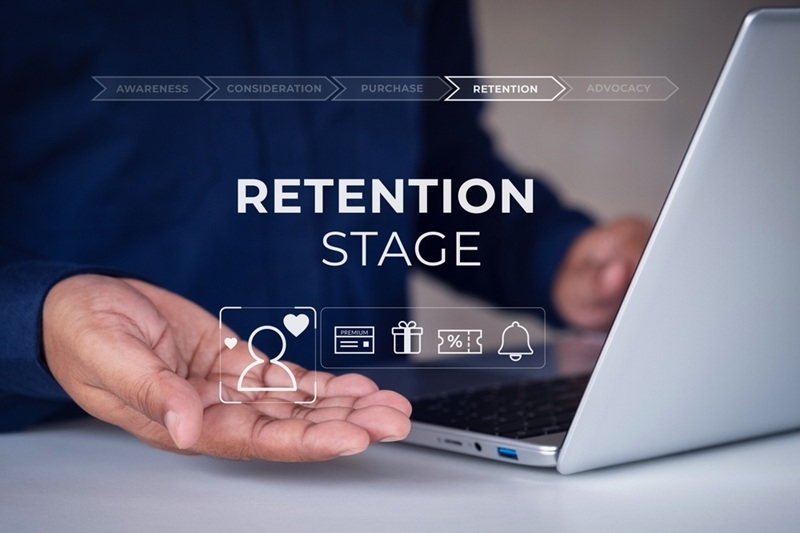
Strategies that businesses use to communicate with their customers play a huge role in keeping the customers committed to a business. A customer usually expects businesses to offer prompt responses, comprehend what their issues are, and deliver helpful information beyond selling techniques. Customer loyalty is achieved when communication is viewed as helpful and personal. Businesses with better customer communication strategies tend to achieve stronger customer loyalty and engagement. Want to know what communication strategies help businesses retain customers? Here they are.
Customers want businesses to keep communication clear and constant, regardless of whether they are in the process of inquiry, purchase, or in search of support. Effective customer communication strategies create commitment through ongoing and meaningful interaction with customers. A business that is efficient and effective in communication often fosters a better connection between itself and the customer.
Personalized customer communication tactics allow businesses to create better customer experiences. Customers will receive higher responses, and their messages will cater to the customer's wishes or purchasing habits. Standard marketing emails and repetitive marketing messages are generally unimpressive, and they do not evoke an emotion from the customer.
Businesses have to incorporate individualization processes with the usage of customer names, their past purchases, or Web activity to provide their suggestions and offers successfully. For instance, when you send notifications or reminders for products previously purchased by customers, engagement could be improved. Personalized customer communication strategies also aid in customer experience enhancement, as customers know that the messages they receive are not generic.
A fast customer response is essential for maintaining the customer through communication. Customers expect rapid replies to their queries, opinions, or any required support throughout their channels of communication on social media networks, emails, and the business's support systems. Customers are normally disillusioned and lose faith in a business due to a slow communication response time.
An appropriate prompt will make customer interaction a positive one, even if the issue is one that cannot be rectified quickly. Customer service agents will have to be enabled to answer with all courtesies and intelligibly on each customer interaction. With customer support services, quick responses, alongside superb care, aid customer relationship management and the formation of loyal and devoted customers.
Customers have various touch points, including social media, websites, customer service lines, and email. When customer communication tone is inconsistent, and the content appears different across channels, a business may lose the customer's trust or appear disorganized.
Businesses must employ consistent messaging tones, policies, and customer support levels across all communication touch points. When customer communication standards are set to be consistent, it becomes easy for customers to expect the standard of service they will receive from the business. Digital communication strengthens customer experience enhancement, and clients will be comfortable interacting with you.
Using feedback to inform communication is a valuable client communication tip that businesses can use. They have to be able to show their customers that their opinions are important to them and their willingness to provide excellent services to each one. Surveys, follow-up emails, support sessions, or customer reviews can effectively gather useful insights for a business.
However, gathering opinions is only half the job, as businesses must use them. They have to be ready to implement changes and make sure that clients know that their opinion matters. This method enhances customer engagement strategies and will inform businesses before any problem can escalate.

Focusing solely on promotions has always been a weak strategy, as most customers grow tired of being subjected to non-stop sales information. The key is to balance your business strategy, including a customer communication plan with informative content and promotional messages to assist customers better in their purchasing decisions. An informative strategy creates trust and respect, as it gives more value to customers compared to sales talk.
Use of product tutorials, product usage tips, and troubleshooting guides, among other content, helps customers throughout their entire journey with your brand. Informative communication creates positive customer relationship management, and customers learn to regard you as an informative expert. Effective communication that involves a degree of information enhances engagement and provides a reason for repeat visits.
It is essential for businesses to know how to appeal to customers and create the right sentiment toward their brand, as this may make them stick with the business long-term. Building customer relationships based on the appropriate feelings is paramount for customer loyalty. A caring tone can strengthen customer relationships much better than simply offering deals.
Use of empathy, respect, and casual language as opposed to generic, mechanical responses is what customers look for. A warm apology or a note of appreciation can impact a customer’s journey significantly. When customer communication strategies include a measure of humanity and authenticity, customers will not hesitate to be loyal and remain loyal to a business.
Speed and efficiency are important, but automation should supplement and not replace a customer-focused approach. Using automated tools such as chatbots or email templates will allow the business to provide prompt responses at all times to common questions, hence optimizing customer relationship management, while humans can deal with more complex queries, leading to increased satisfaction.
Automation of responses does not have to result in a lack of personal touch or robotic-like responses. Adding a personal touch in automated messages or using bots that offer support like humans will boost customer engagement and guarantee that the client enjoys their entire experience of using your product.
Must Read: How Video Conferencing Tools Changed Modern Workplaces
Smart customer communication strategies allow a business to build trust, boost satisfaction, and enhance retention. Businesses that will be most successful will not simply sell to customers but build strong relationships with them, which will last a lifetime.
Businesses need to aim for clearer communication, quicker responses, and higher personal levels of interaction, as this is what will build a lasting client relationship.
Companies can retain customers by being responsive, personalized in service, and consistent across all communication channels. Customers are more likely to return to companies that listen to them, address their issues, and make interactions positive for the customer throughout their business journey with that brand. Strong communication generates trust.
Personalized communications strategies make customers feel that they are important and understood by the company. A communication with a customer that takes their interests, history, or purchase behavior into consideration would make the customer feel more involved than generic offers. That adds value to the improvement of customer experience, because the customer gets information they value.
Businesses can develop customer engagement techniques by the speed of response they reply to their customer, by the content they provide to their customers, and by asking customers for their opinions and comments. The customer will feel the brand through different ways to be engaged, such as emails, social media, live chat, etc. The level of customer engagement would increase if business communication looks nice, valuable, and easy to understand.
CRM helps businesses develop a better understanding of customers' needs and strengthen their long-term customer relationships. CRM is relevant for customer retention because it is the foundation for building and developing lasting, strong, and valuable customer relationships. Strong CRM systems will generally be followed by excellent customer service that will raise customer satisfaction.
This content was created by AI