

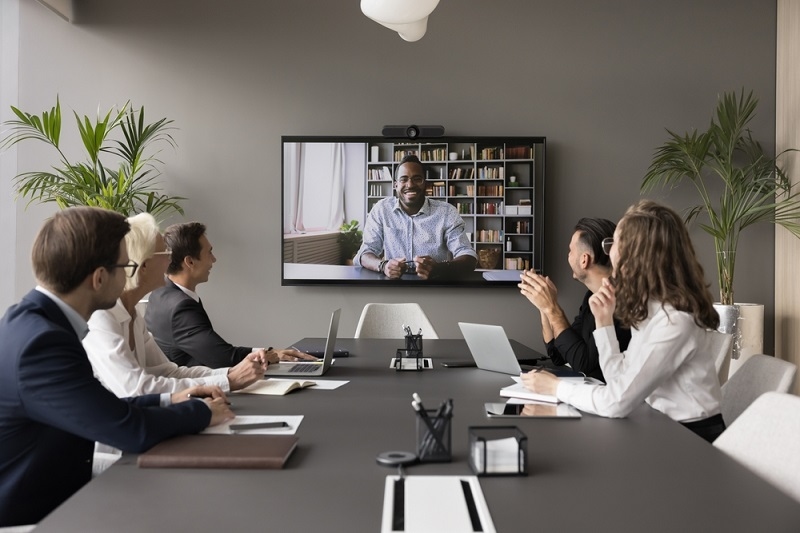
Remote work has reshaped how teams connect, solve problems, and make decisions. Whether you are meeting a client, collaborating with your team, or pitching an idea, how you carry yourself online matters. That is where virtual meeting etiquette comes into play. Think of it as the digital version of professional manners. The meeting is virtual, but the expectations for respect, timing, communication, clarity, and courtesy remain very real.
Virtual work culture is not complicated. People simply need structure, attention, and consideration for others' time. When someone joins late or speaks over others, the meeting slows down. When the background is messy or microphones are noisy, the focus drifts instantly. In a physical room, these things are easy to control. Online, they need conscious effort. This article breaks down etiquette for virtual meetings in a clear, actionable way without fluff, so readers leave knowing exactly how to behave, prepare, and contribute productively.
To put it simply, virtual meeting etiquette refers to the rules and behavior expected during online meetings. It covers how you show up, how you speak, how you listen, how you use your camera and microphone, and how you respect others while sharing that digital space. You can treat it like basic professional hygiene. It is not about perfection. It is about not distracting, not over-speaking, and staying present in the discussion instead of multitasking.
For people who have recently shifted to remote work, it may feel casual to sit at home, join with half attention, or speak with one eye on email. Yet this is the quickest way to send a message that you are not fully involved. Virtual environments demand more engagement than physical ones because body language is limited, interruptions happen easily, and silence can quickly feel like disengagement instead of reflection.
A good rule is this: behave online as you would if the meeting were in a boardroom. Cameras on, notes ready, mind present. This is the foundation of meeting etiquette for virtual meetings and keeps the interaction professional and meaningful.
Must Read: Top Communication Solutions Tips for Businesses

Whether you are presenting or simply attending, your role carries weight. People notice if you respond thoughtfully, take notes, or arrive prepared. They also notice when you check out mentally. Practicing virtual meeting etiquette for participants improves productivity and builds trust in remote teams.
Some simple habits make a clear difference
A generic example helps. Imagine a call with ten team members. Two people join late. One forgets to mute their dog barking. Another speaks for five minutes without getting to the point. The meeting now runs thirty minutes longer than necessary. Just a few small lapses break the flow for everyone. Virtual spaces magnify distractions. This is why etiquette for virtual meetings is not optional. It is part of being a professional.
This is the heart of what most readers search for. Clear rules they can apply immediately. These virtual meeting etiquette do's and don'ts cover preparation, communication, and follow-through so no one leaves confused or unheard.
A small example illustrates this. Picture a client presentation. The speaker maintains camera contact, shares their screen, pauses to ask if everyone is following, and sends the next steps afterward. The client leaves confident and impressed. Now picture the reverse someone talks fast, switches between tabs, never pauses for input, and ends without summary. The content may be the same, but the impression is not. Virtual meeting etiquette do's and don'ts exist because presentation is as important as information.
Professional etiquette online influences how people perceive competence. It also affects productivity. Meetings that run smoothly save hours every week. Meetings that derail lead to confusion, repeated tasks, and follow-up calls that could have been avoided.
When you respect others time by being present and prepared, you build reliability. When you give people space to speak instead of interrupting, you create collaboration. When you summarize decisions instead of assuming others remember them, projects move faster.
Teams that follow meeting etiquette for virtual meetings are easier to work with. They communicate cleanly, close tasks faster, and keep friction low. Over time it becomes part of the culture like punctuality or accountability. People feel heard instead of ignored. They contribute instead of hesitating. The simple act of structured communication increases output without needing more tools or more meetings.
Good etiquette is not a checklist. It becomes a habit. The more you practice it, the less you need to think about it.
A useful approach is a three-step model
Before a meeting, ask yourself
During a meeting, keep focus steady
After the meeting, lock clarity
This loop helps maintain virtual meeting etiquette for participants without conscious effort. Eventually it feels natural and others mirror your approach. Good behavior creates good behavior.
Explore More: How to Choose the Right Organizational Structure for SMB
Virtual meeting etiquette is not about sounding formal or strict. It is about respect and efficiency. It ensures that digital conversations stay organized and every voice carries weight. As remote work expands across industries, those who understand how to communicate online will stand out quickly.
To summarize the essentials
People remember clarity. They remember respect. In a world that communicates through screens, etiquette is the strongest signal you can send.
Check out some of the frequently asked questions below:
It is the expected behavior during online meetings including how you speak, listen, and present yourself.
It keeps discussions organized, avoids distractions, and builds professional trust in remote settings.
Arrive on time, use a clean background, mute distractions, and stay mentally present throughout the call.
This content was created by AI